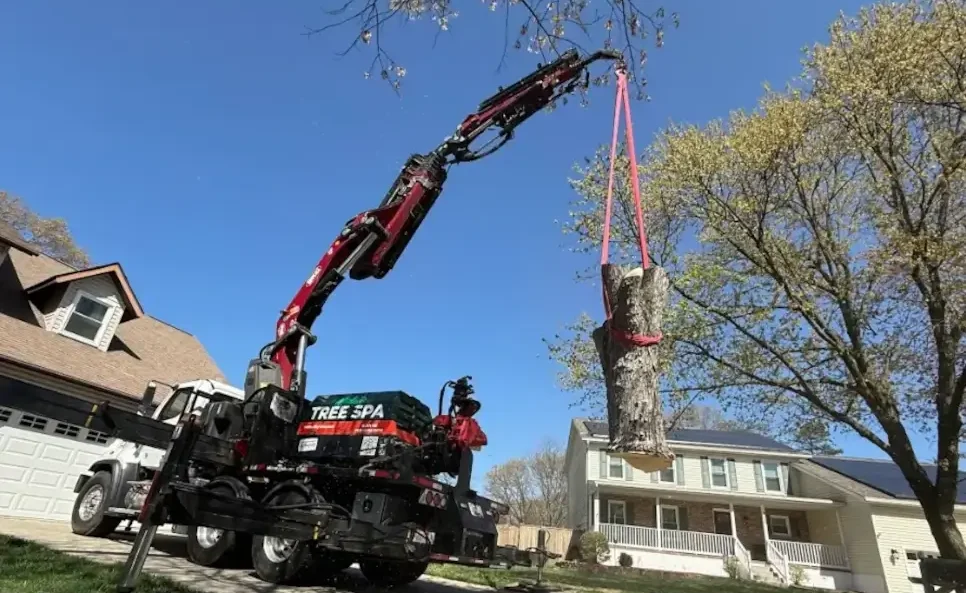
Small tree care businesses are the backbone of arboriculture in the United States. They are the companies trimming dangerous limbs after storms, pruning to preserve tree health, and guiding homeowners and municipalities on proper tree care practices. Yet for all their value, small operators often struggle with challenges that larger companies have the resources to manage: compliance with shifting regulations, keeping crews trained, navigating insurance requirements, and staying profitable in a competitive market.
This is where the Association of Tree Care Professionals (ATCP) steps in. ATCP was founded to give small and mid-sized businesses a unified voice, practical resources, and advocacy that reflects their realities, not just the perspective of corporations with large budgets and government relations teams.
The Undeniable Role of Small Businesses in Tree Care
Walk through any community after a major storm, and you’ll notice who shows up first. Often it’s the locally owned tree service, not a national corporation. These small businesses employ skilled climbers, groundspeople, and crew leaders who risk their safety daily to protect lives and property.
- Economic impact: Thousands of small tree care companies support local economies, employing workers, paying taxes, and investing in equipment.
- Community trust: Homeowners and municipalities often prefer local companies because they know the people behind the work.
- Environmental stewardship: Small companies are just as invested in preserving healthy trees, improving canopy coverage, and maintaining urban forests as their larger counterparts.
Despite their contributions, small operators frequently lack a strong collective platform to advocate for their needs.
Challenges Facing Small Tree Care Businesses
1. Regulatory Pressure
Tree care is heavily influenced by standards like ANSI Z133 (safety), OSHA guidelines, and state-level environmental rules. For a small business, staying compliant requires time, training, and money. Unlike large companies, they don’t always have safety directors or compliance managers.
2. Insurance and Liability
Tree care is high-risk work. Insurance premiums can crush a small company’s bottom line, and misunderstandings in claims handling can create financial strain. Without clear advocacy and standards, small firms are often at a disadvantage when negotiating policies or disputing claims.
3. Labor Shortages
Arboriculture faces a well-documented shortage of skilled workers. Immigration rules, training gaps, and the demanding nature of the work all contribute. Small firms struggle to compete with larger companies that can offer higher pay or more benefits.
4. Competition with Large Operators
Big companies sometimes use regulatory complexity to edge out smaller competitors. Licensing, record-keeping, and compliance are essential, but when the rules are written without input from small businesses, they risk becoming barriers instead of safeguards.
5. Lack of Unified Representation
While there are existing associations in the industry, small companies often feel underrepresented. Their unique challenges like cash flow, recruiting, and day to day survival can get overshadowed by broader agendas.
Why ATCP Was Founded
ATCP exists to address these challenges head-on. The association was created by professionals who have worked in the field, owned small businesses, and know the pressures of running crews, servicing clients, and meeting payroll.
ATCP’s mission is simple: elevate tree care professionals by championing safety, ethics, education, and advocacy tailored to small and mid-sized businesses.
What sets ATCP apart:
- Exclusive focus on professionals rather than corporate interests.
- Practical resources like templates, contracts, and discounts designed to improve operations.
- Dedicated government relations team lobbying specifically for the interests of small and mid-sized businesses.
- Code of Ethics that strengthens credibility with clients and protects the profession’s reputation.
Why Small Businesses Need a Collective Voice
Advocacy at the Policy Table
When policymakers draft regulations about tree care safety, workforce development, or environmental management, who’s in the room? Often, it’s representatives of larger organizations. Without small-business advocacy, the rules can unintentionally favor big operators.
ATCP ensures that policymakers hear from the professionals who make up the majority of the industry. The association’s government relations team speaks directly with legislators and agencies about the realities of job sites, insurance pressures, and workforce challenges.
Protection Against Overregulation
Small companies need reasonable compliance expectations. Standards should protect workers without creating paperwork mountains that bury owners in red tape. ATCP advocates for practical implementation of safety and environmental policies.
Workforce Development Solutions
Small businesses need access to affordable training and workforce programs. ATCP pushes for initiatives that open doors to new workers, including fair immigration policies, apprenticeships, and continuing education opportunities.
Elevating Professional Standards
By promoting ethics, safety, and education, ATCP helps small businesses stand out against “chop shops” or unqualified operators. This strengthens the industry’s reputation and creates a competitive advantage for businesses that do things right.
Key Areas Where ATCP Supports Small Businesses
1. Safety Standards
ATCP provides accessible ANSI Z133 training, toolbox talks, and continuing education. These resources are built for crews with limited time, making it easier to keep workers safe and compliant.
2. Business Resources
Members gain access to templates for contracts, scopes of work, and safety policies practical documents that save time and reduce disputes.
3. Discounts and Benefits
Vendor partnerships allow members to save on gear, equipment, and insurance. For many small businesses, these discounts pay for membership itself.
4. Advocacy Updates
Small business owners don’t have time to track every bill or policy change. ATCP delivers concise updates and action alerts, so members know what matters and when to act.
5. Networking and Mentorship
Smaller operators often feel isolated. ATCP connects professionals with peers and mentors who share the same struggles and successes. This network is a valuable resource for problem-solving and growth.
How ATCP Levels the Playing Field
Without ATCP:
- A small operator faces a new regulation alone, unsure how to comply affordably.
- Insurance claims feel like a losing battle.
- Training programs are too costly or impractical.
- Policy discussions happen without input from working arborists.
With ATCP:
- Clear advocacy ensures regulations account for small-business realities.
- Members receive guidance on insurance, contracts, and compliance.
- Affordable training and education programs keep crews safe and skilled.
- The collective voice of professionals commands respect at policy tables.
Real-World Scenarios
- Storm Response: A small company mobilizes after a hurricane. New FEMA subcontractor requirements threaten their ability to compete. With ATCP advocacy, standards are adjusted to allow qualified local operators to participate.
- Insurance Dispute: A small business owner disputes a denied claim after a jobsite injury. ATCP provides resources and policy guidance, helping the company navigate the process.
- Workforce Shortage: An owner struggles to find climbers. ATCP’s training programs and advocacy for apprenticeship funding create new pathways to skilled labor.
The Bigger Picture: Why This Matters
The tree care profession is about more than cutting limbs. It is about protecting communities, preserving the urban forest, and ensuring safe work sites for crews. Small businesses play a critical role in achieving those goals.
But without representation, they risk being squeezed by regulation, undercut by unethical competitors, or overshadowed by larger firms with lobbying budgets. ATCP ensures that does not happen.
By uniting under one banner, small tree care businesses gain:
- Credibility: A Code of Ethics that sets them apart.
- Protection: Advocacy that shields them from overreach.
- Growth: Access to training, discounts, and resources.
- Community: A network of professionals who share their values.
How to Get Involved
Join as a Member: Small and mid-sized businesses can join ATCP to access resources, discounts, and advocacy support. Charter Membership is limited to the first 300 professionals and secures founding recognition.
Contribute Content: Experienced professionals can write articles, lead training, or mentor new members.
Engage in Advocacy: Members are invited to share their stories with policymakers and participate in campaigns that influence policy.
Support the Mission: Vendors and partners can contribute by offering discounts and resources that benefit members.
FAQ: Small Tree Care Business Representation
What is ATCP?
The Association of Tree Care Professionals (ATCP) is a membership organization created to support small and mid-sized tree care businesses. It provides advocacy, training, business resources, and professional recognition designed for the people doing the work.
Why do small tree care businesses need ATCP?
Regulations, compliance costs, equipment expenses, and workforce shortages impact smaller operations the most. ATCP ensures their voices are represented in policymaking and delivers practical tools built for their scale.
How does ATCP help members save money?
ATCP offers member-only discounts on equipment, insurance, safety gear, and professional services. These savings directly reduce day-to-day operating costs, helping small businesses stay competitive.
Is ATCP only for small businesses?
No. ATCP welcomes all professionals, but it was founded to serve the unique needs of small and mid-sized businesses. Its programs and advocacy ensure they’re not overshadowed by corporate-driven priorities.
Conclusion
Small tree care businesses are vital to communities, safety, and the health of our urban forests. Yet they face challenges that cannot be solved alone: regulatory complexity, rising insurance costs, labor shortages, and competitive pressures.
The Association of Tree Care Professionals was created to ensure small and mid-sized businesses have the support and advocacy they deserve. ATCP provides a collective voice, practical resources, and a platform to strengthen both individual companies and the profession as a whole.
If you own, manage, or work in a small tree care business, ATCP is your advocate. Together, we can elevate the profession, protect workers, and ensure that arboriculture thrives for generations to come.
Join the Movement Today
Be part of the association that puts small tree care professionals first.
Join ATCP