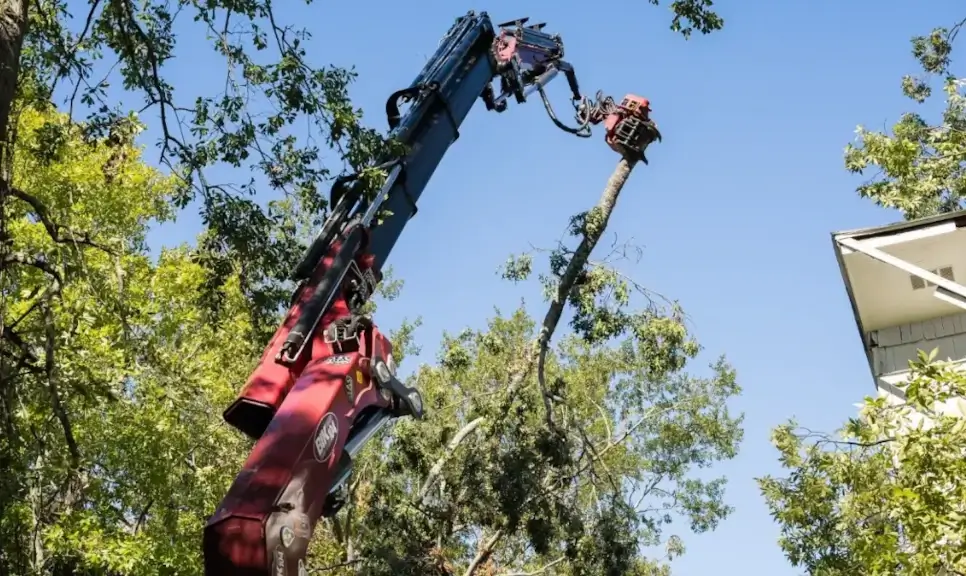
Professional tree care is about more than chainsaws and climbing gear. It is about safety, ethics, and protecting people, property, and the environment. Every cut and every rope tied carries responsibility for tree health and the people nearby. That’s why ethics and safety are not optional add-ons for arborists; they are the foundation of the profession.
The Association of Tree Care Professionals (ATCP), a leading voice for industry standards, was built on this foundation. By upholding rigorous ethical principles and prioritizing safety above all else, ATCP works to elevate the profession while giving clients confidence that the trees around their homes, businesses, and communities are in capable hands.
In this article, we’ll explore why ethics and safety are inseparable in tree care, the standards that guide professionals, and how ATCP is setting the bar for accountability across the industry.
Why Ethics and Safety Define Professional Tree Care
Building Client Trust
Tree care often involves significant financial investment and risk. Homeowners, municipalities, and businesses hire professionals expecting honest advice and quality work. Misrepresentation of credentials, hidden costs, or careless practices erode trust not just in one company, but in the entire industry.
Ethical arborists follow a truth-in-representation approach:
- Being transparent about qualifications and certifications
- Providing accurate assessments of tree health and risk
- Offering written contracts that clearly define scope and cost
Clients who understand the work being done and feel respected are far more likely to return, refer, and view the arborist as a trusted advisor rather than a contractor.
Protecting the Reputation of the Profession
In an industry where unlicensed or underqualified operators can easily enter the market, professional ethics become a differentiator. Upholding high standards sets true professionals apart from “saw-and-truck” operators who may cut corners for quick profit.
ATCP’s Code of Ethics formalizes these principles, ensuring members conduct themselves with honesty, respect, and environmental stewardship. This elevates not only individual companies but also the entire profession.
Why Safety Is Non-Negotiable
Tree work is consistently ranked among the most dangerous professions. According to the Bureau of Labor Statistics, arborists face one of the highest rates of injury and fatality, primarily due to falls, electrical hazards, and chainsaw accidents.
Safety as a Sacred Duty
The ANSI Z133 standard sets the recognized benchmark for safe arboricultural operations. From PPE requirements to rigging protocols, it creates a framework that protects workers, clients, and bystanders.
For professionals, safety is more than compliance. It is a sacred duty to:
- Return home safely every day
- Train crews rigorously in hazard recognition
- Maintain equipment to the highest standards
- Refuse shortcuts that compromise well-being
The Ripple Effect of Unsafe Practices
When accidents happen, they don’t just affect the crew. They can result in:
- Property damage claims
- Higher insurance premiums
- Regulatory penalties
- Reputational harm that affects the entire industry
For this reason, ATCP makes safety a cornerstone of membership and professional identity.
The Intersection of Ethics and Safety
Ethics and safety reinforce one another. For example:
- Honesty in estimates prevents underbidding that leads to unsafe rushing.
- Respect for clients and community requires protecting property and bystanders.
- Environmental stewardship encourages pruning for long-term tree health rather than quick, damaging cuts.
- Accountability means owning mistakes and correcting them safely and transparently.
Together, ethics and safety form the framework of responsible arboriculture.
Ethics and Safety in Professional Tree Care: At-a-Glance
| Focus Area | What It Means in Practice | Why It Matters |
|---|---|---|
| Client Trust | Transparent contracts, honest assessments, proof of certification | Builds long-term relationships and protects clients from fraud or poor workmanship |
| Professional Reputation | Following ATCP’s Code of Ethics and industry best practices | Differentiates true professionals from unqualified operators |
| Worker Safety | ANSI Z133 training, PPE use, hazard recognition and safe equipment maintenance | Prevents injuries, ensures crews return home safely, and reduces liability |
| Public Protection | Safe rigging, controlled cutting, and safeguarding bystanders and property | Minimizes accidents, property damage and community risk |
| Environmental Stewardship | Pruning for long-term tree health, avoiding harmful shortcuts like topping | Sustains healthy urban forests and aligns with ethical responsibility |
| Accountability | Owning mistakes, accurate insurance claims, and refusing shortcuts under pressure | Maintains integrity and trust across the industry |
Standards That Guide Professionals
ANSI Z133 and OSHA Compliance
- ANSI Z133 establishes comprehensive safety guidelines for climbing, aerial lifts, electrical hazards, and equipment use.
- OSHA regulations create federal requirements for workplace safety that tree care companies must follow.
- ATCP training ensures professionals understand both frameworks and apply them daily.
ATCP Code of Ethics
Members commit to:
- Honesty in representation
- Professional competence through continuing education
- Transparent contracts and fair pricing
- Environmental guardianship
- Integrity in insurance and claims
This code sets expectations for professional conduct and provides clients with assurance that ATCP members adhere to the highest standards.
Common Ethical Dilemmas in Tree Care
Over-Pruning and Topping
Some clients may request aggressive pruning or topping for quick results. Ethical professionals explain the long-term damage these practices cause and propose alternatives that maintain safety while preserving tree health.
Inflated Insurance Claims
After storms, the temptation to exaggerate damage for higher payouts exists. Ethical arborists conduct accurate assessments and avoid practices that harm the industry’s credibility.
Hidden Fees and Misrepresentation
Burying costs in contracts or overstating credentials misleads clients. Transparency ensures fair treatment and builds lasting relationships.
Workforce Safety vs. Profit Pressure
In busy seasons, it’s tempting to cut corners on training or push crews beyond safe limits. Ethical leadership means prioritizing worker safety above immediate revenue.
Practical Steps for Tree Care Businesses
Establish Written Safety Policies
Document safety protocols, training schedules, and emergency procedures. Make them part of onboarding and crew meetings.
Invest in Training
Provide regular ANSI Z133 and OSHA training. Encourage certifications like ISA Certified Arborist or CTSP (Certified Treecare Safety Professional).
Create a Culture of Accountability
Empower workers to stop unsafe work without fear of retaliation. Celebrate teams that complete jobs safely, not just quickly.
Use Written Contracts
Define scope, pricing, and responsibilities in writing. This protects both the client and the business.
Maintain Transparency in Insurance
Provide accurate coverage information and handle claims with honesty and compliance.
How ATCP Supports Ethics and Safety
- Government Relations: Advocates for regulations that improve safety without creating unrealistic burdens for small businesses.
- Training Resources: Offers workshops, online courses, and certifications designed to help professionals implement safety standards effectively.
- Ethics Enforcement: Holds members accountable to the Code of Ethics, ensuring consistent professional conduct.
- Discounts and Partnerships: Provides access to safety equipment and insurance at reduced costs, helping businesses implement best practices affordably.
The Client’s Role in Promoting Ethical, Safe Tree Care
Educated clients also play a role. By hiring credentialed professionals, asking for written contracts, and refusing unsafe practices, they help elevate the profession. ATCP encourages clients to seek out members who demonstrate commitment to ethics and safety.
The Future of Safety and Ethics in Arboriculture
Emerging technology from battery-powered saws to drones creates new safety opportunities but also new risks. Climate change, increased storm frequency, and urban development add complexity to ethical decision-making in tree care.
ATCP remains committed to ensuring that, as the profession evolves, ethics and safety remain central to every practice.
Frequently Asked Questions
What is the ANSI Z133 standard?
ANSI Z133 is the U.S. safety standard for arboricultural operations, covering climbing, rigging, chainsaw use, and electrical hazards. It is widely recognized as the foundation of safe tree care practices.
Why is a Code of Ethics important in tree care?
A Code of Ethics ensures professionals uphold honesty, respect, and environmental stewardship. It protects clients, workers, and the reputation of the entire profession.
How does ATCP support safety?
ATCP offers training, government advocacy, member discounts on safety equipment, and resources that make it easier for small and mid-sized businesses to maintain compliance with safety standards.
How can clients ensure they hire an ethical, safe arborist?
Clients should look for written contracts, proof of insurance, relevant certifications, and membership in professional associations like ATCP.
Conclusion: Professional Excellence Through Ethics and Safety
The tree care profession rests on trust and responsibility. By committing to safety as a sacred duty and ethics as a professional guide, arborists protect not only themselves and their clients but also the reputation of the industry.
ATCP provides the framework, resources, and advocacy that professionals need to maintain these standards while growing their businesses. Ethics and safety are the future of arboriculture.
Join the Movement Today
Be part of the association that puts small tree care professionals first.
Join ATCP